

If you're looking for a plant suitable for the middle part of your aquarium, this plant species may be an excellent choice. Today let's take a closer look at Bucephalandra bibilis which is a very decorative, impressive aquatic plant.
Firstly, in nature, this plant occurs in Asia, growing on wood and rocks in streams and rivers. It's considered as easy-to-maintain aquarium plant as it doesn't need high amount of carbon dioxide and intense lighting to grow healthy. That's why it would be a perfect choice for beginners looking for an ornamental plant species suitable for the middle part of the aquarium or the foreground. Bucephalandra Biblis is a medium-sized variety of Bucephalandra, which is characterized by an oblong leaf with a strongly folded edge. The color of the leaves, depending on the conditions in the aquarium, lighting and fertilization, can be burgundy to dark green. Young leaves may be yellow-orange. As in nature, it makes best composition with wood and rocks so it's worth planting it near the hardscape.
Planting
The rhizome of the plant should not be buried in the substrate but it must be placed above its surface. The plant can be attached to a root or a stone with a fishing line or a glue suitable for epiphytes.
Trimming
We remove the older leaves with sharp scissors with a curved blade right at the base.
The plant does not require regular trimming to form a dense group.
CO2 injection
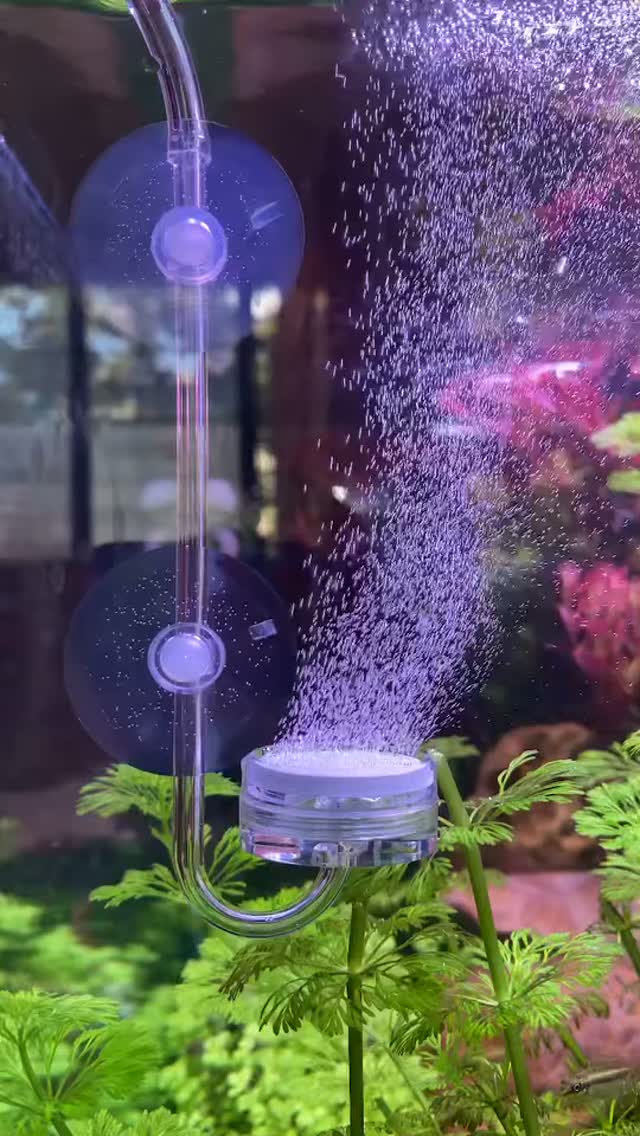
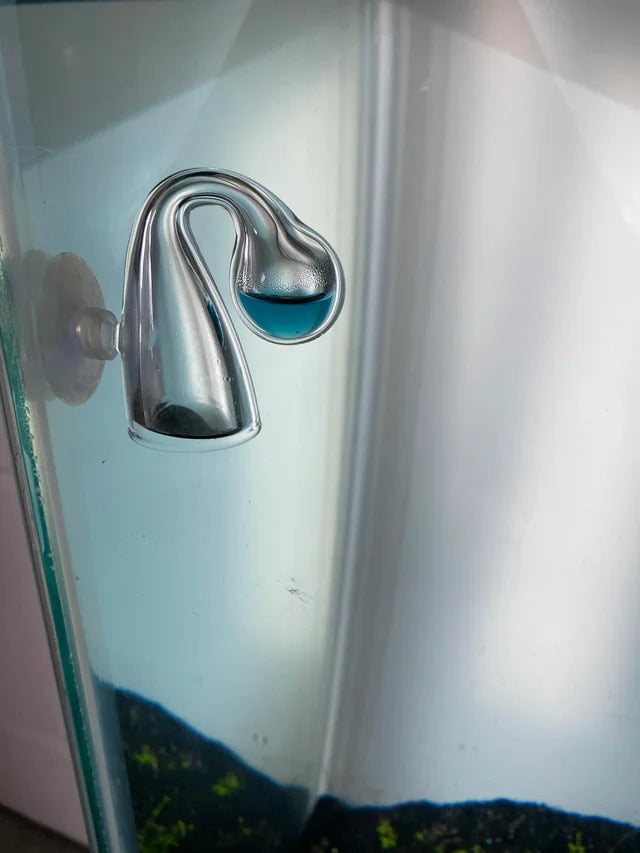
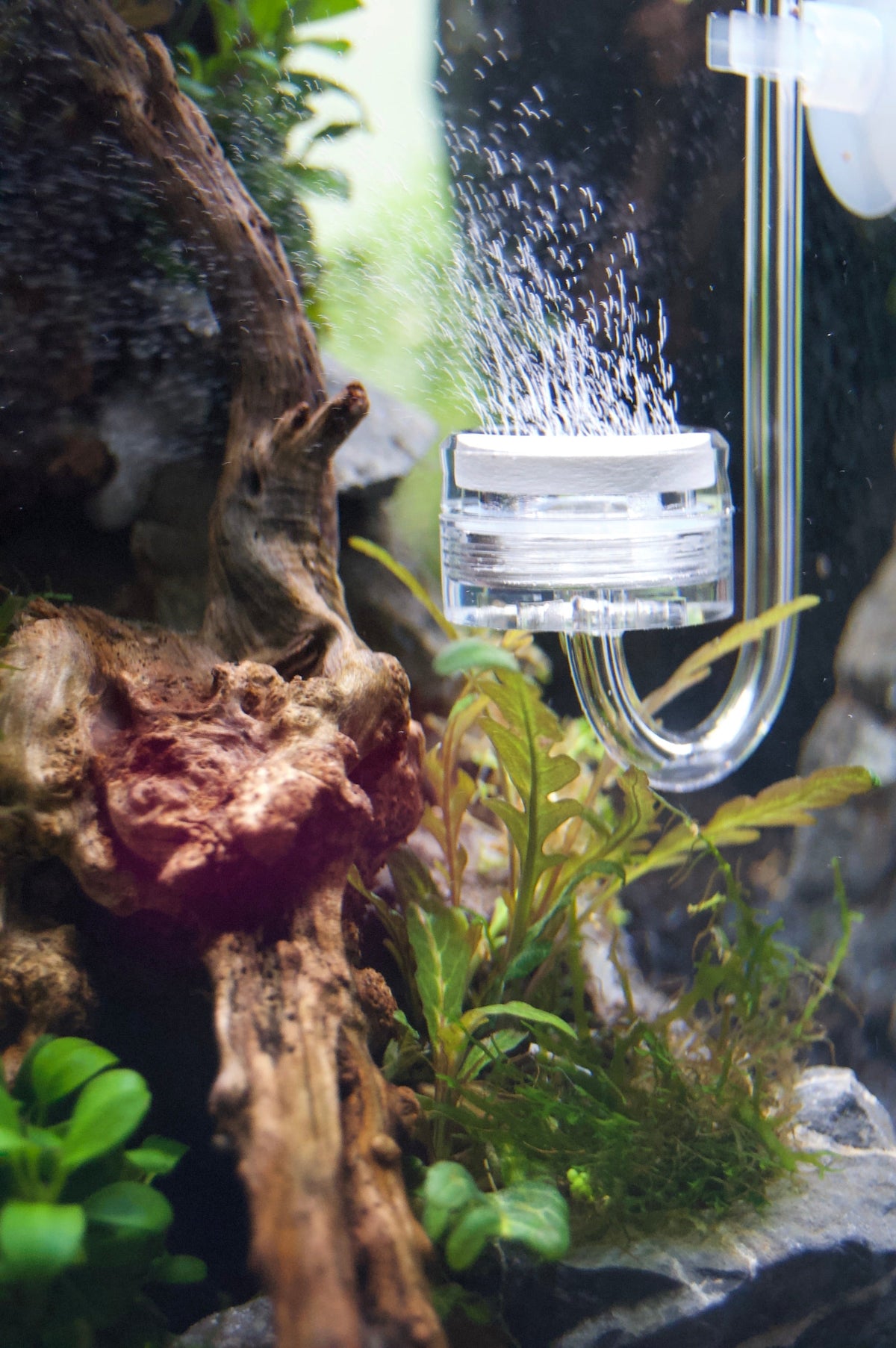
Bucephalandra bibilis will do in an aquarium without carbon dioxide fertilizing. However, we always underline that injecting CO2 into the aquarium water has a great impact on the plant growth. The growth rate is higher, the plant grows healthier and the colouration is much more intense. Find the right balance of carbon dioxide by using our Drop Checker Kit which will allow you to monitor the amount of CO2 in your aquarium water.
Lighting
This plant species grows well with low-to-medium light intensity. Less than 0,5W/l is recommended.
Temperature
Temperature 20-28 Celsius degrees is fine for this species. Such a wide range is an advantage in terms of having many different plant species in one aquarium.
Summary
As you can see, this plant is a good choice for everyone looking for an ornamental aquatic plant that will gently fill the central part of their planted tank. Thank to its low requirements, can be grown in both low-tech aquariums and high-tech aquariums. Decorative and elegant. We like it. And you?
Share:
The best CO2 levels for an aquarium
The great gifts for aquarium owners